
“Your website is not working!” It is a common refrain from Zimbabwean business owners who view a website as a static digital business card rather than a dynamic revenue engine. When the phone doesn’t ring immediately after launch, the blame falls on the tool, not the strategy.
This frustration leads to the inevitable friction: “Your Web Design services are too expensive!” This sentiment exposes a fundamental misunderstanding of the digital economy. In Zimbabwe, the market is currently fractured, seeing quotes for USD $150 side-by-side with USD $15,000 for what appears to be “the same template.”
But the truth is, you are not paying for pixels; you are paying for Digital Business Development. To bridge this gap, we must redefine the value of the web and justify why organizations must invest commensurately in professional design and digital growth services.
1. The Fallacy of the $150 Website vs. The $15,000 Investment
The reason a website costs $150 in some quarters and $15,000 in others is rarely about the “template.” It is about Value Engineering.
-
The $150 Website: This is a “commodity.” It is often a basic installation with no SEO, no conversion optimization, no security hardening, and no alignment with business goals. It exists, but it is invisible to search engines and useless to customers.
-
The Premium Web Solution: A high-end website is a product of Digital Business Development. It involves market research, user experience (UX) design to reduce bounce rates, high-speed performance optimization, and integration with CRM or sales funnels.
Organizations must realize that a cheap website is often the most expensive mistake they can make. It creates a “leaky bucket” where marketing dollars are spent driving traffic to a site that fails to convert. Commensurate payment is not an expense; it is a capital investment in a 24/7 salesperson.
2. The AI Myth: Can Machines Replace Developers?
The rise of AI has led many to ask: “Can’t I just use AI to build my site for free?” While AI can generate code snippets or basic layouts, it cannot execute a holistic business strategy. Can AI register a .co.zw domain, navigate the nuances of local hosting latency, or understand the specific cultural aesthetics of the Zimbabwean consumer? No.
AI is a tool, not a craftsman. As a Web Developer, your value lies in human-centric strategy. You are the architect who ensures the AI-generated components actually serve a business purpose. We must convince clients that while AI can “build” a site, only a professional can “engineer” a brand’s digital presence to be secure, scalable, and compliant with local and international standards.
3. Advertising Web Design as “Digital Business Development”
The industry must shift its language. We are no longer just “making websites.” We are providing Digital Business Development Services. * Web Design is Marketing: A website is the hub of all advertising. If your social media ads lead to a poorly designed site, you are burning money.
-
Web Design is Infrastructure: For a Zimbabwean company looking to export or reach the diaspora, the website is their primary infrastructure for international trust.
-
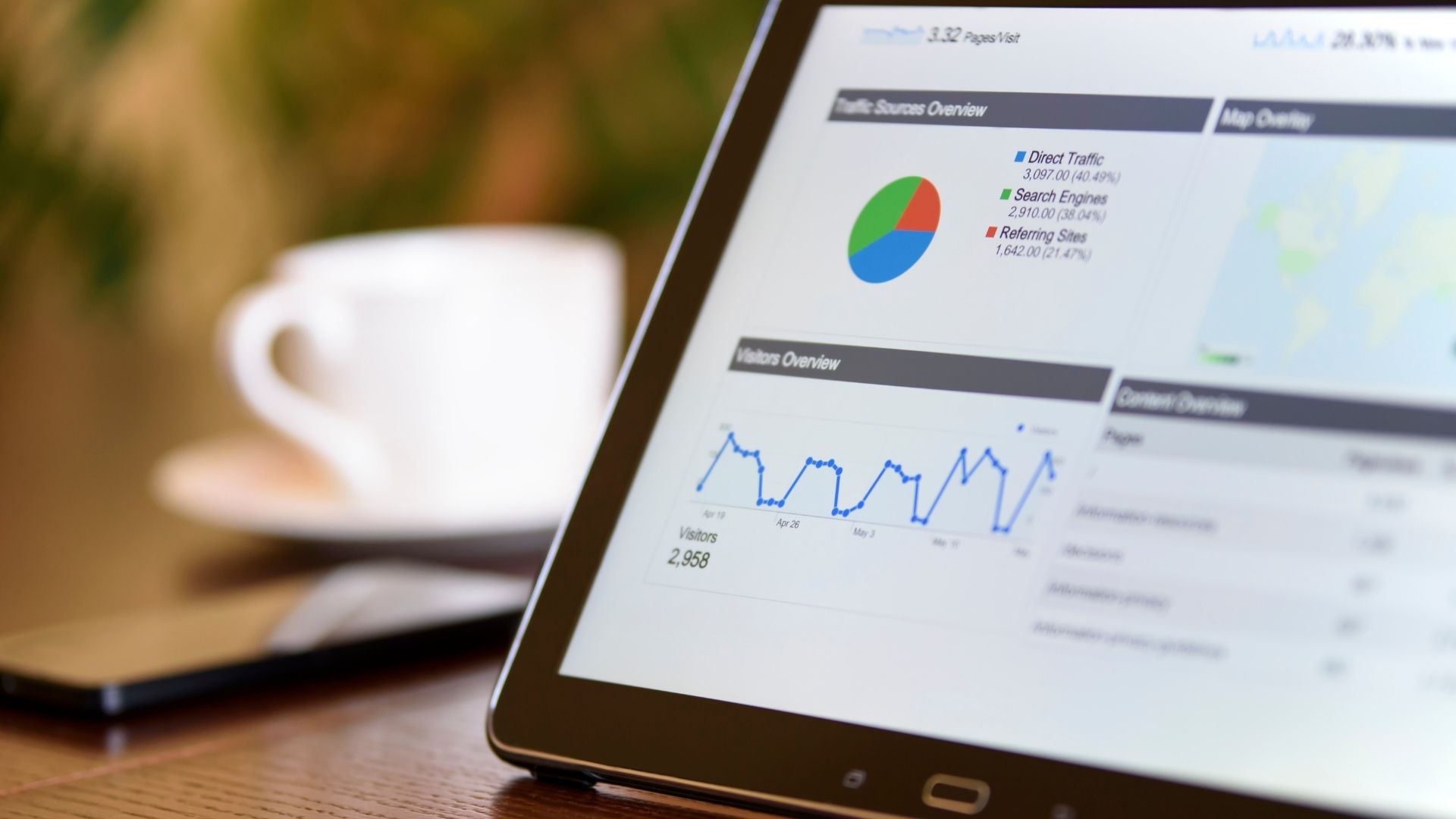
Web Design is Data: Professional services include setting up analytics that tell a business who their customer is and why they aren’t buying.
4. Justifying the Cost: Where do Developers Stand?
To convince the skeptical Zimbabwean client, developers must pivot from “coding” to “consulting.” We must demonstrate that:
-
Security is Non-Negotiable: Cheap sites are vulnerable to hacks that can destroy a brand’s reputation overnight.
-
SEO is the Long Game: A website that doesn’t appear on the first page of Google for its services is effectively non-existent.
-
Maintenance is Vital: A website is a living organism.3 It requires updates, backups, and optimization.
The Conclusion:
The value of a website is determined by the Return on Investment (ROI) it generates, not the hours spent coding. Organizations that pay “commensurately” are buying a seat at the table of the modern economy. Those who chase the $150 “template” are simply buying a digital paperweight.
As developers and agencies, our mission is to move the conversation from “How much does it cost?” to “How much revenue is this website losing you right now?” In the intersection of Web Design and Digital Business Development lies the future of Zimbabwean commerce. It is time we value it accordingly.